“Today, the Queen trumps Snow White”: this phrase, often cited in connection with the book *Le Nouveau Visage* by French writer Nathalie Azoulai, illustrates a profound shift in our relationship with beauty and aging. Long associated with a desire to correct certain imperfections, cosmetic surgery now plays an increasingly prominent role in society, driven by celebrities, social media, and advances in medical technology.
But behind this trend lies a fundamental question: Why do we feel such a strong need today to preserve our youth?
Nathalie Azoulai and the Cosmetic Surgery Clinic “Le Nouveau Visage”: A Reflection on Our Obsession with Youth
In *Le Nouveau Visage*, Nathalie Azoulai explores the growing role of cosmetic surgery in contemporary society. Through a discussion that spans cinema, representations of women, and social media, the author examines how the face has become a central element of identity and social appearance.
Cosmetic surgery is no longer viewed solely as an exceptional procedure. It is gradually becoming part of a culture in which physical appearance plays an important role and in which the possibilities for altering or rejuvenating one’s face are becoming increasingly well known.
The reference to the Queen and Snow White is particularly evocative. It serves as a reminder that feminine beauty has long been associated with youth, but that these representations are changing. Today, some women want not only to preserve their appearance but also to rediscover an image of themselves in which they recognize themselves.
This line of thought raises an interesting question: Has cosmetic surgery become a way to meet society’s new expectations, or simply another option for taking care of one’s appearance?
Cosmetic Surgery: From an Exceptional Practice to a More Accessible Approach
For a long time, cosmetic surgery was surrounded by many prejudices. It was sometimes viewed as a practice reserved for celebrities, public figures, or people with significant financial resources.
Today, its image has changed considerably. The diversification of procedures, advances in surgical techniques, and the development of aesthetic medicine have all contributed to making these practices more visible.
Facial procedures—including rhinoplasty, blepharoplasty, cervico-facial lifts, and facial lipofilling—are now among the options considered by people seeking to alter certain aspects of their appearance or reduce the signs of aging.
This shift is also accompanied by a transformation in patient expectations. Patients are increasingly seeking harmonious results that are tailored to their facial structure and preserve their natural expressions.
The goal is not necessarily to change one’s face, but sometimes to restore a more rested appearance, address a self-consciousness, or better align with the image one wishes to project.
Social Media and Celebrities: New Standards of Beauty
Social media has profoundly changed our perception of beauty. Retouched photos, filters, transformation videos, and testimonials from public figures all contribute to the spread of new aesthetic standards.
Celebrities play a major role in this shift. Some openly discuss their experiences with cosmetic surgery or aesthetic medicine, while others highlight their choice to age naturally.
These statements fuel discussions about aging, cosmetic procedures, and social pressure related to appearance.
However, it is important to remember that a visible transformation alone does not necessarily indicate a medical procedure. Makeup, lighting, weight fluctuations, skincare, and non-surgical cosmetic treatments can also alter a person’s appearance.
In light of these portrayals, it becomes essential to distinguish between media trends and genuine medical indications.
What procedures can help rejuvenate the face?
Over time, the face changes naturally. The skin gradually loses its elasticity, certain areas lose volume, wrinkles become more visible, and facial contours may change.
Depending on each person’s needs, several cosmetic surgery procedures and aesthetic medicine techniques may be considered.
1. The Cervico-Facial Facelift: Redefining the Contours of the Face
A cervico-facial facelift is a surgical procedure designed to treat certain signs of aging in the face and neck.
In particular, it can help correct sagging skin, redefine the facial contour, and improve the appearance of jowls and the neck.
Whether this procedure is appropriate depends on the patient’s anatomy, skin quality, and the extent of sagging. A consultation with a qualified surgeon will help determine whether this procedure is appropriate.
2. Blepharoplasty: Regaining a More Rested Look
The eyes play a key role in facial expression. As we age, excess skin on the upper eyelids or bags under the eyes can make us look tired.
Blepharoplasty is a surgical procedure designed to correct some of these changes by removing or repositioning the affected tissues.
It may involve the upper eyelids, the lower eyelids, or both, depending on medical indications.
3. Facial lipofilling: restoring volume in certain areas
Facial lipofilling involves harvesting fat from an area of the body, processing it, and then reinjecting it into specific areas of the face.
This technique can be used to restore lost volume, particularly in the cheeks, temples, or certain areas of the face.
The results depend on several factors, including the fat transferred and how well it takes after the procedure.
4. Aesthetic Medicine: Non-Surgical Solutions
Not all rejuvenation procedures require surgery.
Depending on your needs and the specific indications, various treatments may be recommended:
- Botulinum toxin injections to reduce certain expression lines.
- Hyaluronic acid to restore volume or correct loss of tissue.
- Skin boosters to improve certain aspects of skin hydration and quality.
- Other aesthetic medicine treatments tailored to skin quality and desired goals.
These techniques do not always replace surgery. The choice depends on the condition being treated, the patient's expectations, and the medical evaluation.
Natural Beauty: The New Trend in Cosmetic Surgery?
While dramatic transformations have long captured the public’s imagination, expectations are gradually shifting toward more subtle results.
Today, many people want to preserve their natural expressions, maintain the proportions of their faces, and avoid excessive changes.
This desire for a natural result does not necessarily mean avoiding cosmetic surgery. Rather, it reflects a shift in how procedures are approached: prioritizing facial harmony over radical transformation.
A successful aesthetic outcome must take into account the anatomy, individual characteristics, and realistic expectations of each patient.
There is no universal ideal face, nor is there a single technique suitable for everyone. This is why a personalized evaluation remains essential before any procedure.
Cosmetic Surgery and Aging: Making the Choice That Best Suits Your Needs
Nathalie Azoulai’s reflections on cosmetic surgery remind us that the face goes far beyond the question of appearance. It also represents identity, personal history, and the way each person perceives themselves.
Undergoing cosmetic surgery must therefore remain a personal decision—one that is well-considered and free from any external pressure.
Before considering surgery, several factors must be taken into account: health status, expectations, potential benefits, risks, contraindications, and available alternatives.
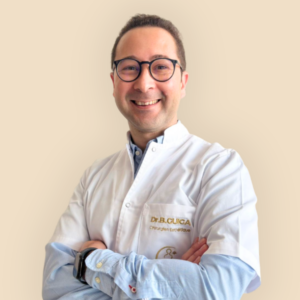
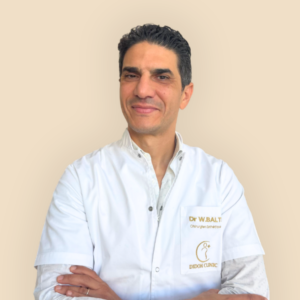
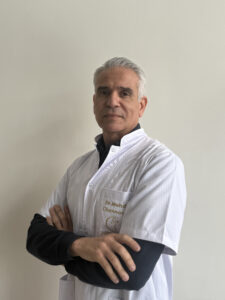
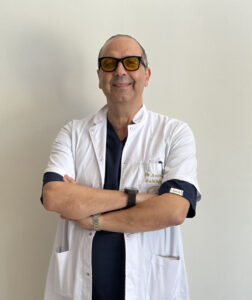
At Didon Clinic, our approach to cosmetic surgery and aesthetic medicine is based on the importance of personalized care, a preliminary medical evaluation, and clear information about the various treatment options.
FAQ: Frequently Asked Questions About Cosmetic Surgery and Facial Rejuvenation
Why has cosmetic surgery become so popular?
Its popularity can be attributed in particular to advances in medical techniques, greater visibility in the media, the influence of social media, and a shift in attitudes toward cosmetic procedures.
What is the difference between cosmetic surgery and aesthetic medicine?
Cosmetic surgery involves surgical procedures performed in an operating room. Aesthetic medicine encompasses non-surgical treatments, such as certain injections and facial care techniques.
Which procedure should you choose to rejuvenate the face?
The choice depends on the signs of aging, the patient’s anatomy, skin quality, and expectations. A facelift, blepharoplasty, lipofilling, or an aesthetic medicine treatment may be considered depending on the indications.
At what age can a facelift be considered?
There is no universal age for undergoing a facelift. The decision depends primarily on tissue laxity, the patient’s overall health, and the surgeon’s assessment.
Is it possible to achieve a natural-looking result after cosmetic surgery?
Yes, a natural-looking result can be achieved through a procedure tailored to the patient’s anatomy and characteristics. However, no result can be guaranteed, and every procedure carries risks.
A clinic that meets international standards
Another crucial factor in choosing a cosmetic surgery clinic is the quality of the facility.
An environment that is both modern and secure
A cosmetic surgery clinic must comply with international standards in the following areas:
- Hygiene
- Safety
- Comfort
- Patient Well-Being
Didon Clinic, located in Tunis – La Soukraand located just about ten minutes from the Tunis airport, offers a contemporary, refined, and opulent atmosphere designed to welcome patients in optimal conditions.
With more than 4,000 m² dedicated exclusively to beauty, wellness, and aesthetic medicine, this facility is equipped with modern technology and top-quality infrastructure.
Results that speak for themselves.
Our Testimonials
Today, the key criteria for choosing a cosmetic clinic in Tunisia include patient reviews, testimonials, and results. A reputation built on patient satisfaction.
Thanks to: Didon Clinichas become a leader in cosmetic surgery in Tunisia thanks to:
- The quality of its healthcare services.
- The outstanding quality of his support.
- Its natural and harmonious consequences.
- The satisfaction of his patients, whether they are Tunisian or international.
The before-and-after photos, along with the various glowing reviews , attest to the institution’s dedication and expertise.
Didon Clinic: Tunisia's first clinic specializing in aesthetics, wellness, and beauty.
Today, Didon Clinic is recognized as a leading institution in cosmetic surgery and medicine in Tunisia. A unique perspective on aesthetics.
The clinic combines:
- Cutting-edge medical expertise; Pioneering aesthetic technologies
- Advanced Beauty Treatments
- Tailored Support
- Premium Services
Each treatment plan is customized to meet each patient's specific needs and ensure an exceptional experience.
High-quality support from start to finish
At the Didon Clinic, every detail is carefully designed to ensure convenience, tranquility, and excellence.
Top-quality services.
In particular, patients benefit from:
- Customized Consultations
- Personalized and Comprehensive Medical Care
- Luxurious Rooms
- State-of-the-art aesthetic technologies
- Pre- and post-procedure support.
- Personalized support for international patients, from their arrival in Tunisia until their return home.
This integrative approach gives patients the opportunity to embrace change with confidence.
A must-visit destination for cosmetic surgery in Tunisia.
Choosing a cosmetic surgery clinic is a crucial decision that depends on various factors: the surgeons' expertise, the quality of the facilities, the safety of the procedures, and patient satisfaction.
With its highly qualified medical team, state-of-the-art equipment, luxurious setting, and exceptional service, the Didon Clinic is now recognized as a leading facility for cosmetic surgery and medicine in Tunisia.
For a consultation, a quote, or personalized advice, the team at Didon Clinic is ready to assist you in carrying out your cosmetic procedure under the best possible conditions.
WhatsApp: +216 24 934 616 Main Number: (+216) 70 273 000 Website: www.didonclinic.com