Blepharoplasty is an eyelid surgery that treats excess skin and, depending on the case, fatty deposits in the upper and/or lower eyelids.
It can be performed on the upper eyelids only, the lower eyelids only, or both. The specific procedure depends on each patient’s anatomy and needs.
Blepharoplasty is a cosmetic surgical procedure performed on the eyelids to enhance both the appearance of the eyes and, in some cases, visual comfort. It is performed to address the effects of aging, fatigue, or other genetic factors that can alter the appearance of the eyelids.
Over time, the skin on the eyelids loses its elasticity, which contributes to sagging, the appearance of drooping eyelids, and the formation of under-eye bags. These changes usually give a tired, melancholy, or aged appearance, even when the person is in good shape and well-rested.
The skin around the eyes loses its elasticity over time, resulting in excess skin and bags that make the face look tired.
Surgery can remove this excess skin and fat to create a more youthful and balanced appearance.
In some cases, excess skin on the upper eyelids can interfere with vision, and blepharoplasty can restore a normal field of vision.

You can customize the color, shadow, style, text, title, etc., of your accordion on your WordPress website using the accordion widget from the Elementskit add-ons for Elementor.
You can customize the color, shadow, style, text, title, etc., of your accordion on your WordPress website using the accordion widget from the Elementskit add-ons for Elementor.
You can customize the color, shadow, style, text, title, etc., of your accordion on your WordPress website using the accordion widget from the Elementskit add-ons for Elementor.
Far, far away, beyond the Word Mountains, far from the lands of Vokalia and Consonantia, live the blind texts. They live apart in Bookmarksgrove, right on the coast.

Cosmetic Surgeon
Medical Director
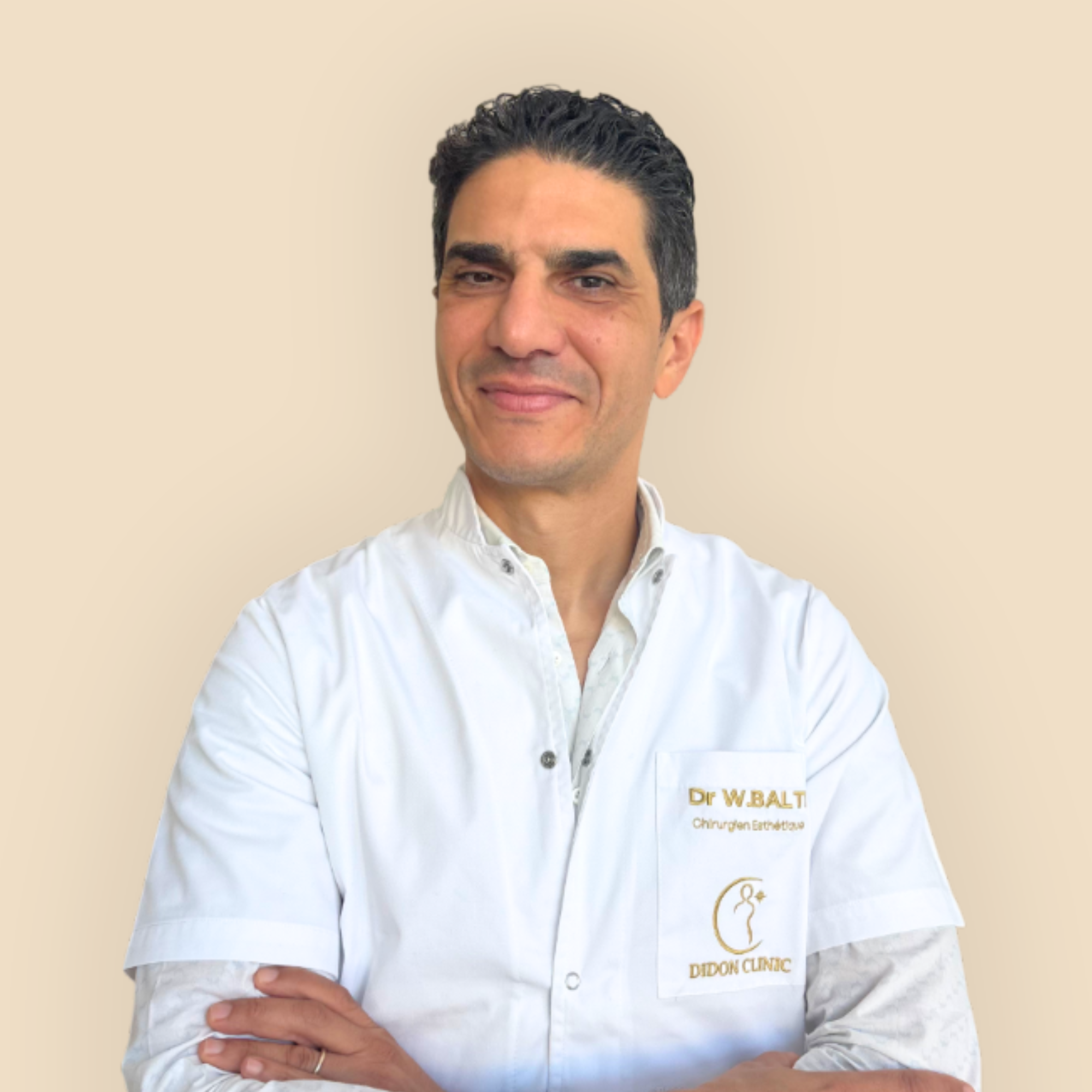
Cosmetic Surgeon
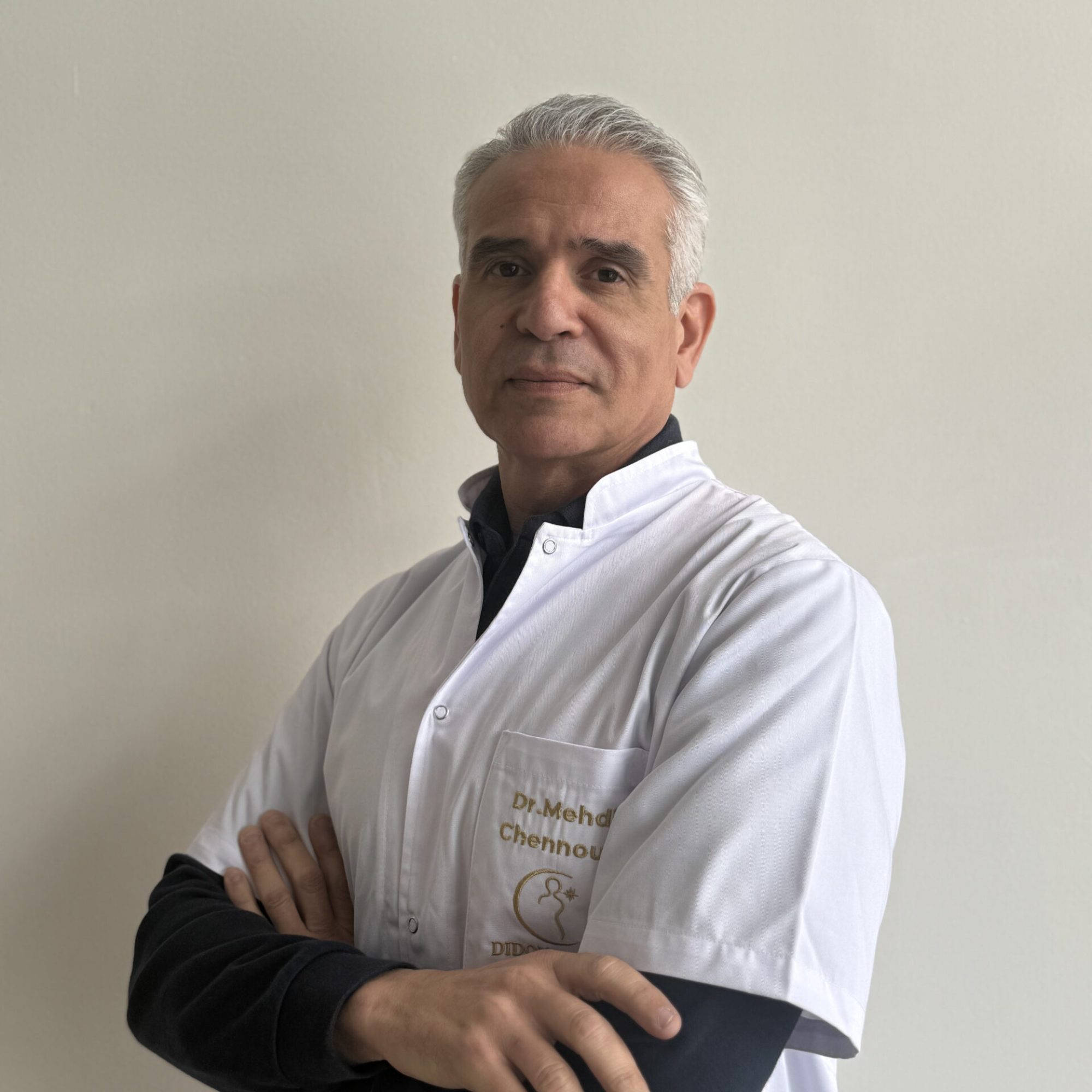
Cosmetic Surgeon
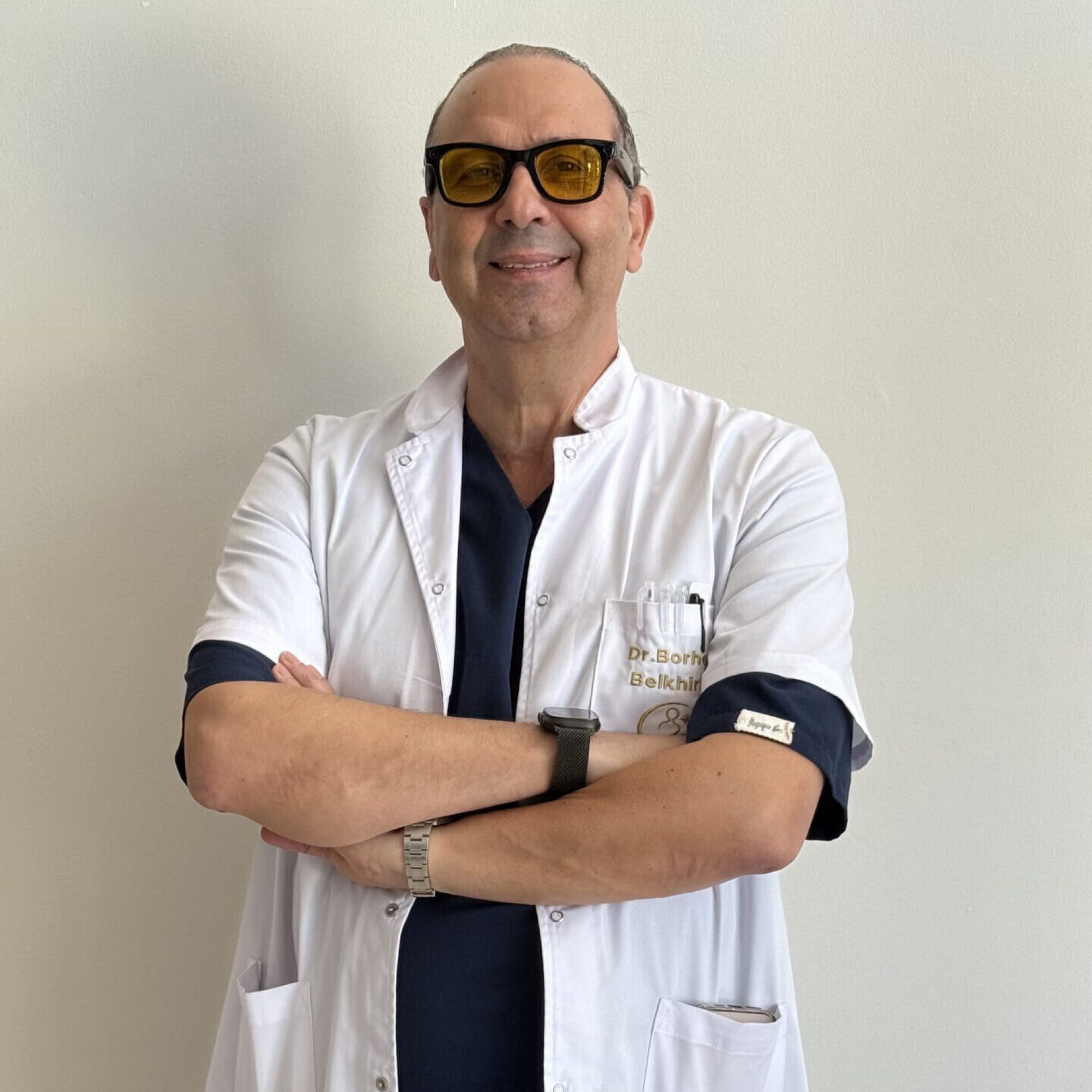
Cosmetic Surgeon
Blepharoplasty is an eyelid surgery designed to treat excess skin, sagging, or fatty deposits in the upper and/or lower eyelids.
Upper blepharoplasty involves the upper eyelids and can address excess skin, among other issues. Lower blepharoplasty involves the lower eyelids and can address certain bags or excess skin.
Yes, both can be treated during the same procedure in certain situations. The decision depends on the anatomy and the surgical plan.
Not necessarily. Dark circles can have various causes: pigmentation, loss of volume, hollows, or bags. Blepharoplasty is primarily recommended for certain anatomical changes in the eyelids.
It can treat certain bags under the eyes caused by the presence or protrusion of fat in the lower eyelids. A consultation can help determine the cause of the bags.
In some cases, a significant amount of excess skin on the upper eyelids can obstruct the field of vision. When this excess skin is the cause, surgery can help alleviate this problem.
Yes, incisions are necessary. For the upper eyelids, they can be made in the natural crease of the eyelid. For the lower eyelids, the location depends on the technique used.
The visibility of scars changes as the wound heals and depends, in particular, on the surgical technique and the patient's individual characteristics. It is best not to promise a completely invisible scar.
Recovery varies depending on the patient and the eyelids treated. Swelling and bruising may occur after the procedure and will gradually subside.
There is no single age. The decision to undergo the procedure depends primarily on the presence of excess skin, bags, or other changes in the eyelids.
Yes. Blepharoplasty can be performed on men when medically indicated.
Blepharoplasty primarily addresses certain changes in the eyelids, while lipofilling aims to restore volume to certain areas of the face through fat transfer.
Blepharoplasty targets the eyelids and the area around the eyes. A cervico-facial lift primarily addresses certain areas of sagging in the face and neck.
The price depends, among other things, on which eyelids are being treated, the technique used, and any additional procedures. A personalized quote is provided following a medical evaluation.
Surgery corrects the treated structures, but the natural aging process continues. The results also change during the healing period.